How to Export a Used Toyota Corolla from China: 2026 Buyer Route
The 2026 route for buying a used Toyota Corolla in China: check your rules, pick a year, review real units, sign the PI, then inspection, export clearance and the right sea, rail or road route to your country.
By EVtoU Export Team · Published · 7 min read
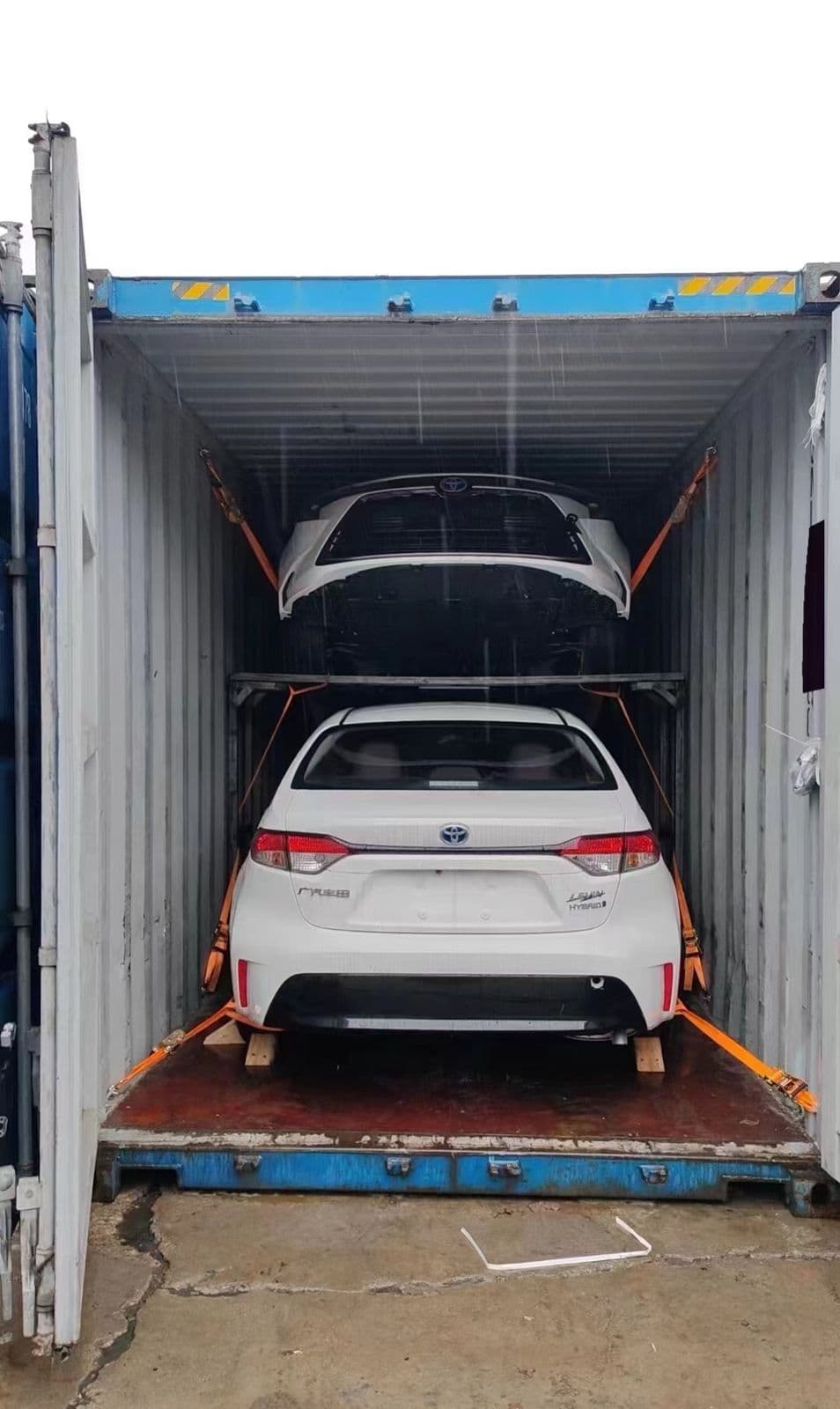
Exporting a used Toyota Corolla from China follows six steps: check your country’s import rules, choose the model year and engine, review real photos and documents of matching cars, sign a Proforma Invoice and pay, let the exporter inspect and clear the car for export, then ship it by the route that suits your country. In-stock cars can ship within 10 working days of payment; transit time comes on top.
Step 1 — Check the rules at home first
Used-car rules vary far more than new-car rules. Before you choose a car, confirm with your customs broker:
- Age limit or age-based fees. Some countries ban cars above a certain age; others charge more as cars get older. Our age limits by country guide covers the main ones.
- Steering side. Every China-market Corolla is left-hand drive, so it suits countries that drive on the right.
- Fuel-type rules. A few countries now restrict fuel-powered imports — Ethiopia is the clearest example.
- Conformity. The cars meet China VI emissions; some markets want a conformity certificate before registration.
Step 2 — Choose the year and engine
The current Corolla generation runs from 2019 to 2025 in China, all on the same 4,635 mm TNGA body. Two changes matter most when buying used: the hybrid moved from a 90 kW system with a nickel-metal-hydride battery to a 101 kW lithium-ion system in 2023, and official fuel figures switched from NEDC to the stricter WLTC cycle the same year. The 1.2 L turbo petrol (85 kW) is available in every year.
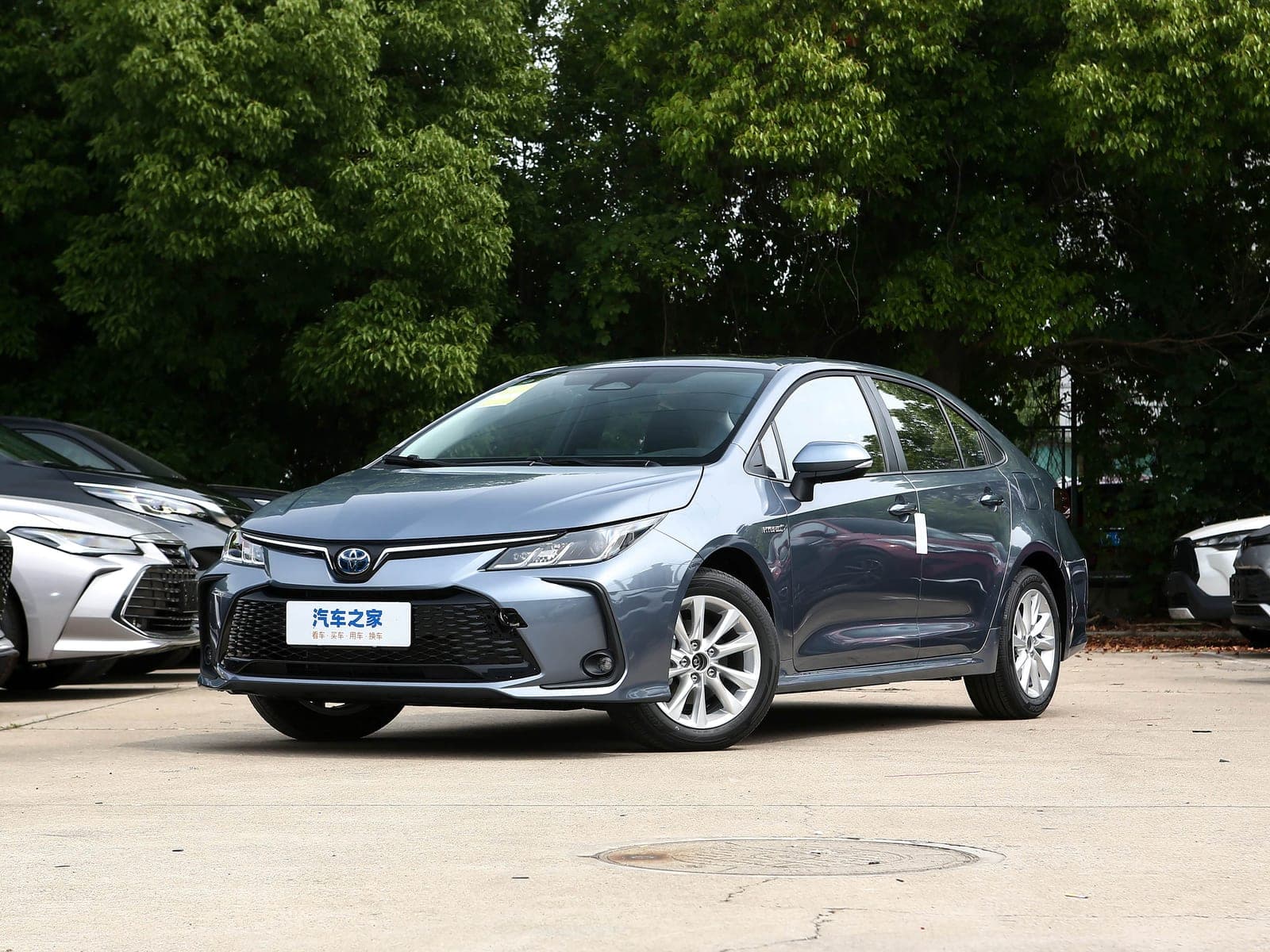 Used 2023 Toyota Corolla 1.8L Hybrid
Hybrid · 1.8L HEV · 101 kW · WLTC 4.07 L/100 km
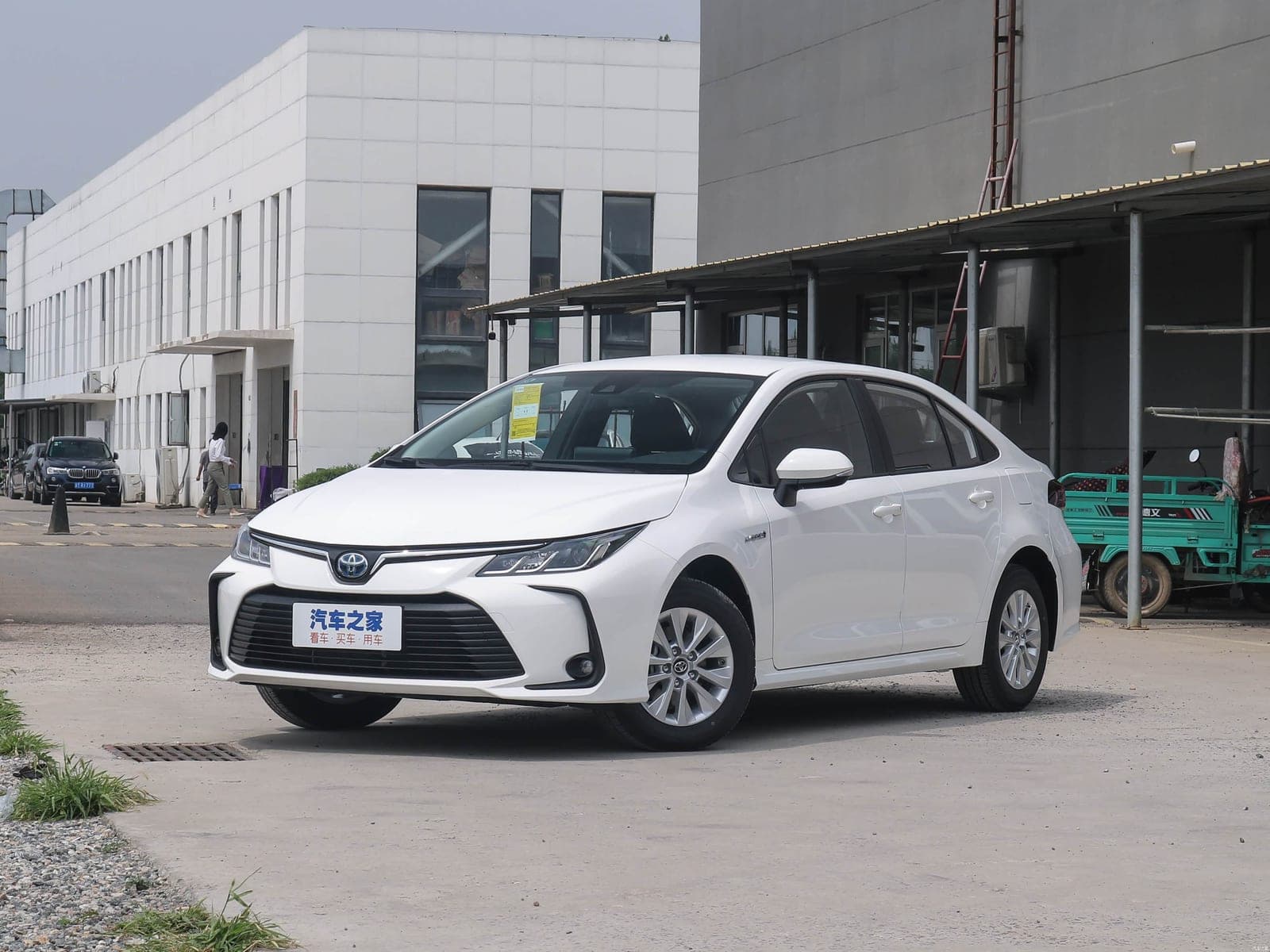 Used 2022 Toyota Corolla 1.8L Hybrid
Hybrid · 1.8L HEV · 90 kW · NEDC 4.0 L/100 km
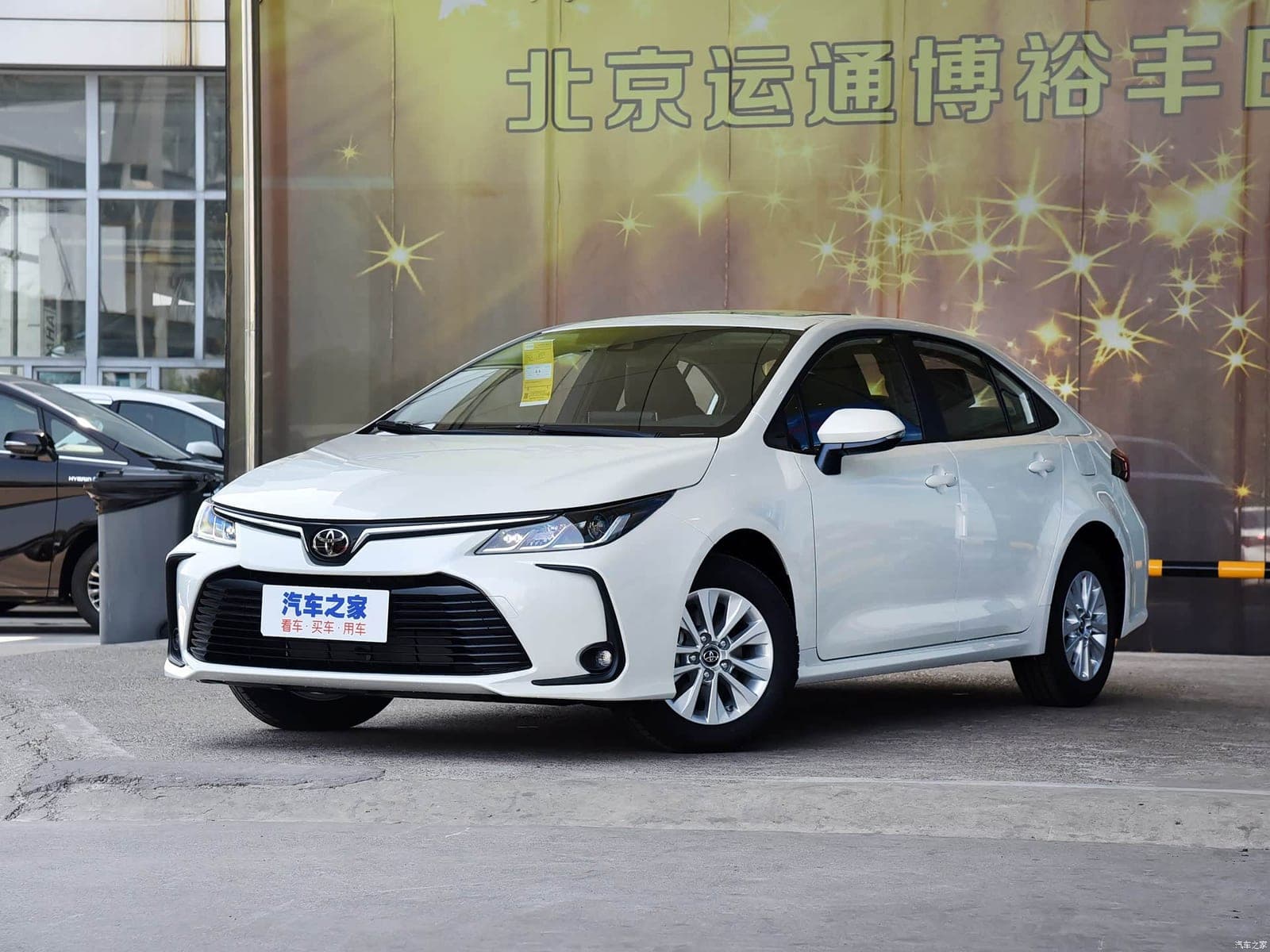 Used 2021 Toyota Corolla 1.2T Petrol
Petrol · 1.2T · 85 kW · NEDC 5.5 L/100 km
Step 3 — Review real units, not catalogue photos
Send your target year, engine, mileage range, quantity and destination. A good exporter replies with the actual cars: exterior and interior photos, an odometer photo or video, the engine bay, and the registration certificate showing the VIN and first-registration date. Check that the VIN on the documents matches the car. For hybrids, ask for a battery health check.
Step 4 — Proforma Invoice and payment
Once you choose units, the exporter issues a Proforma Invoice (PI). It should list each car’s VIN, year, trim, colour and mileage, the unit price, the Incoterm with a named place (for example “CIF Tema”), payment terms and the documents you will receive. Payment terms are agreed per order and written on the PI before you pay.
Step 5 — Inspection and export clearance in China
After payment the exporter handles the transfer of the car out of its Chinese registration, coordinates inspection, and clears export customs. At EVtoU you receive a photo or video at each milestone, so you can follow your actual car to the port or border.
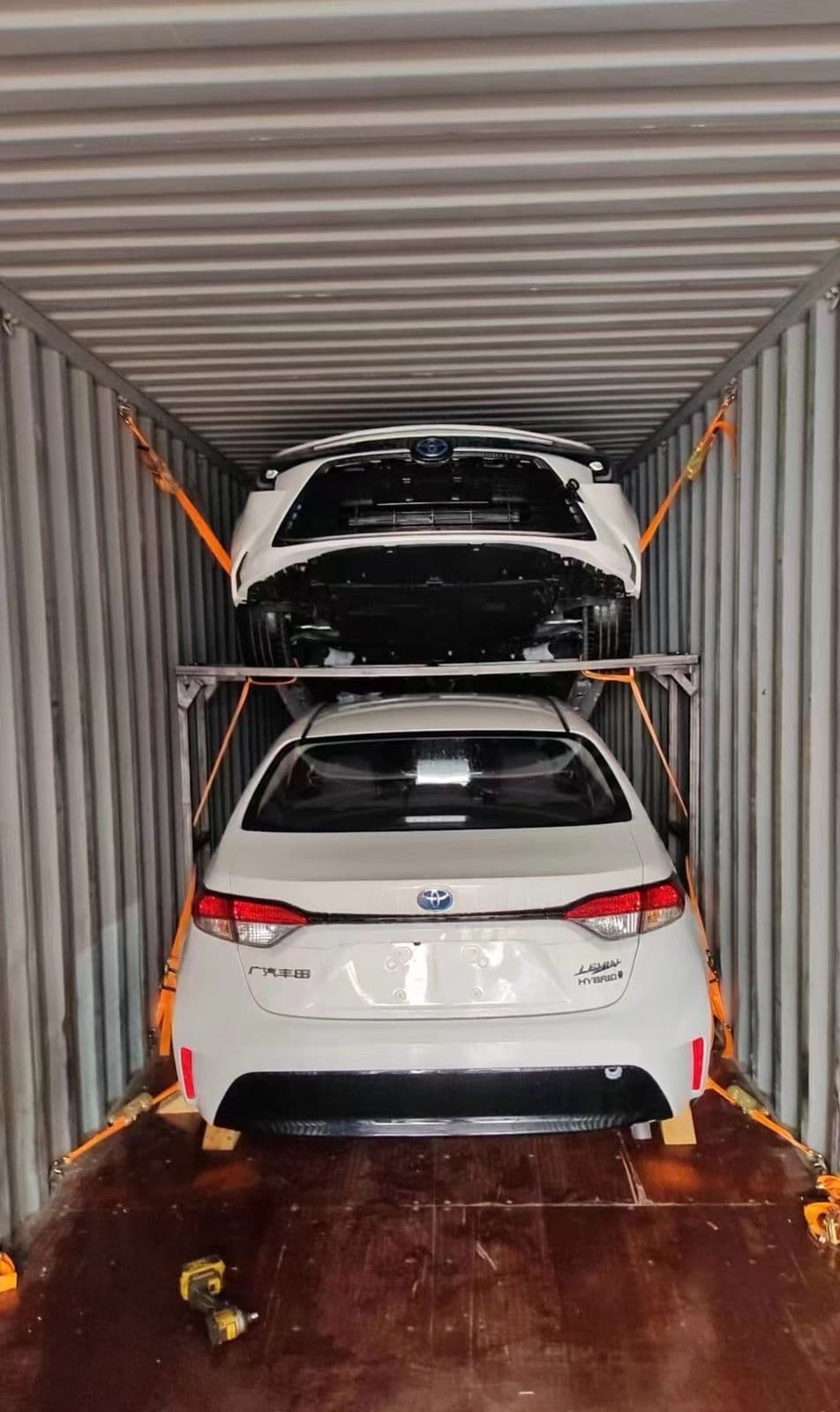
Step 6 — Pick the right route
| Destination | Usual route | Arrival point |
|---|---|---|
| West Africa (Ghana) | Container or Ro-Ro by sea | Tema, Takoradi |
| East Africa (Ethiopia, Rwanda) | Container by sea, then road | Djibouti, Dar es Salaam, Mombasa |
| Central Asia (Kyrgyzstan, Tajikistan) | Car-carrier truck overland | Irkeshtam, Torugart → Osh, Bishkek, Dushanbe |
| Caucasus (Armenia) | Container by sea, then road | Poti, Batumi → Yerevan |
| Russia | Rail, truck, or sea | Zabaikalsk, Vladivostok |
| South America (Peru) | Ro-Ro or container across the Pacific | Callao |
Import duty, taxes and registration in your country are your responsibility unless agreed otherwise in writing. Share the commercial invoice, packing list and bill of lading (or road waybill) with your clearing agent as soon as they are issued. Our export process page has the full checklist.